

การพิจารณาในการออกแบบระบบขนส่งผงหินปูนด้วยเครื่องกล
ผงหินปูนเป็นวัสดุสำคัญในหลายภาคอุตสาหกรรม เช่น การผลิตปูนซีเมนต์ การแปรรูปเคมี และการผลิตวัสดุก่อสร้าง การขนส่งผงหินปูนอย่างมีประสิทธิภาพและน่าเชื่อถือจากที่เก็บรักษาไปยังหน่วยแปรรูปเป็นสิ่งจำเป็นเพื่อรักษาประสิทธิภาพการผลิตและลดค่าใช้จ่ายในการดำเนินงาน ระบบขนส่งด้วยเครื่องกลให้วิธีการที่ยืดหยุ่นและมีประสิทธิภาพสำหรับการจัดการผงหินปูน แต่การออกแบบของพวกมันต้องพิจารณาปัจจัยสำคัญหลายประการเพื่อให้ได้ผลการทำงานที่ดีที่สุดและความทนทาน
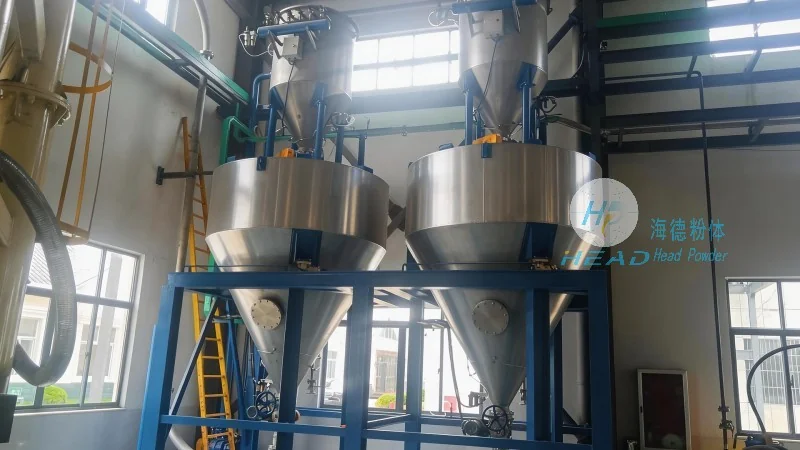
ปัจจัยสำคัญในการออกแบบระบบขนส่งผงหินปูนด้วยเครื่องกล
เมื่อออกแบบระบบขนส่งผงหินปูนด้วยเครื่องกล จำเป็นต้องพิจารณาปัจจัยสำคัญหลายประการเพื่อให้ได้ผลลัพธ์ที่ดีที่สุด ปัจจัยแรกคือคุณสมบัติของผงหินปูน เช่น ขนาดอนุภาค การมีน้ำหนัก และความสามารถในการไหล คุณสมบัติเหล่านี้มีผลโดยตรงต่อการออกแบบระบบ รวมถึงประเภทของสายขนส่ง (เช่น ระบบเฟสละลายหรือเฟสหนา) ความเร็วลมที่จำเป็น และการลดแรงดันที่ระบบมี ตัวอย่างเช่น ผงหินปูนละเอียดอาจต้องการความเร็วลมที่สูงขึ้นเพื่อป้องกันการอุดตัน ในขณะที่ผงหินที่หยาบกว่าสามารถขนส่งได้ด้วยความเร็วที่ต่ำกว่าและมีความเสี่ยงต่อการอุดตันน้อยลง
อีกหนึ่งปัจจัยสำคัญคือความสามารถและความต้องการในการขนส่งของระบบ การออกแบบต้องรองรับอัตราการไหลของผงหินปูนที่คาดหวัง เพื่อให้ระบบสามารถรับภาระสูงสุดได้โดยไม่มีการลดแรงดันหรือการใช้พลังงานมากเกินไป นี่หมายถึงการเลือกอุปกรณ์ที่เหมาะสม เช่น เครื่องเป่าลม ตัวกรอง และส่วนประกอบการจัดการวัสดุ ที่สามารถรองรับอัตราการไหลที่กำหนดได้ในขณะที่รักษาความมีประสิทธิภาพ การเลือกประเภทของเครื่องเป่าลม—ไม่ว่าจะเป็นแบบการแทรกตัวบวกหรือแบบแรงเหวี่ยง—ก็มีผลอย่างมากต่อประสิทธิภาพของระบบ เนื่องจากมีผลต่อแรงดันลมและปริมาณลมที่มีอยู่สำหรับการขนส่ง
การเลือกอุปกรณ์และส่วนประกอบของระบบ
การเลือกส่วนประกอบของอุปกรณ์เป็นขั้นตอนสำคัญในกระบวนการออกแบบ สำหรับการขนส่งผงหินปูนด้วยเครื่องกล องค์ประกอบต่างๆ เช่น ตัวจับ สายขนส่ง และตัวรับ เป็นสิ่งจำเป็น ตัวจับ เช่น วาล์วหมุนหรือตัวจับแบบสกรู ต้องเลือกให้เหมาะกับลักษณะการไหลของวัสดุและป้องกันการสะสมวัสดุหรือการขวางทาง สายขนส่ง ซึ่งมักทำจากสแตนเลสหรือวัสดุที่ทนต่อการกัดกร่อนอื่นๆ ควรออกแบบให้ทนต่อลักษณะการกัดกร่อนของผงหินปูนและรักษาความเรียบภายในเพื่อลดแรงเสียดทานและการสูญเสียแรงดัน ตัวรับที่ผงหินปูนถูกเก็บไว้ ต้องมีระบบเก็บฝุ่นที่เหมาะสมเพื่อปฏิบัติตามกฎหมายสิ่งแวดล้อมและรักษาความปลอดภัยในการใช้งาน
ระบบตัวกรองเป็นอีกหนึ่งส่วนประกอบสำคัญ เนื่องจากจะกำจัดอนุภาคละเอียดจากลมที่ออกมาเพื่อป้องกันการปล่อยฝุ่นและปกป้องอุปกรณ์ด้านหลัง การเลือกประเภทของตัวกรอง—เช่น ตัวกรองถุงหรือตัวกรองกระป๋อง—ขึ้นอยู่กับขนาดอนุภาคและความเข้มข้นของผงหินปูน การบำรุงรักษาระบบตัวกรองอย่างสม่ำเสมอเป็นสิ่งจำเป็นเพื่อให้ได้ผลการทำงานที่ดีที่สุดและป้องกันการหยุดชะงักของระบบ
พารามิเตอร์การดำเนินงานและการปรับปรุงระบบ
พารามิเตอร์การดำเนินงาน เช่น ความเร็วลม แรงดัน และอัตราการไหล เป็นสิ่งสำคัญสำหรับการทำงานอย่างมีประสิทธิภาพของระบบขนส่งผงหินปูนด้วยเครื่องกล ความเร็วลมที่เหมาะสมเป็นสิ่งจำเป็นเพื่อป้องกันการอุดตันและรักษาการไหลของวัสดุ ความเร็วลมที่ต่ำเกินไปอาจทำให้เกิดการอุดตัน ในขณะที่ความเร็วลมที่สูงเกินไปอาจทำให้การใช้พลังงานเพิ่มขึ้นและทำให้ส่วนประกอบเสียหาย ความลดแรงดันที่ระบบมีเป็นพารามิเตอร์สำคัญอีกอย่าง เนื่องจากบ่งบอกถึงประสิทธิภาพของระบบและความจำเป็นในการปรับเปลี่ยน การตรวจสอบและปรับเปลี่ยนพารามิเตอร์เหล่านี้อย่างสม่ำเสมอเป็นสิ่งจำเป็นเพื่อรักษาประสิทธิภาพที่ดีที่สุดและยืดอายุการใช้งานของระบบ
การปรับปรุงระบบหมายถึงการปรับสมดุลระหว่างการใช้พลังงานกับประสิทธิภาพการขนส่ง การปรับปรุงเหล่านี้อาจรวมถึงการเลือกขนาดเครื่องเป่าลมที่เหมาะสม การปรับความเร็วลมตามสภาพของวัสดุ และการนำระบบควบคุมมาใช้เพื่อควบคุมการไหล โดยการปรับปรุงพารามิเตอร์เหล่านี้ ระบบสามารถให้อัตราการขนส่งที่สูงขึ้น ในขณะที่ลดค่าใช้จ่ายพลังงานและลดการเสียหายของส่วนประกอบ
การพิจารณาเรื่องการบูรณาการและการบำรุงรักษาระบบ
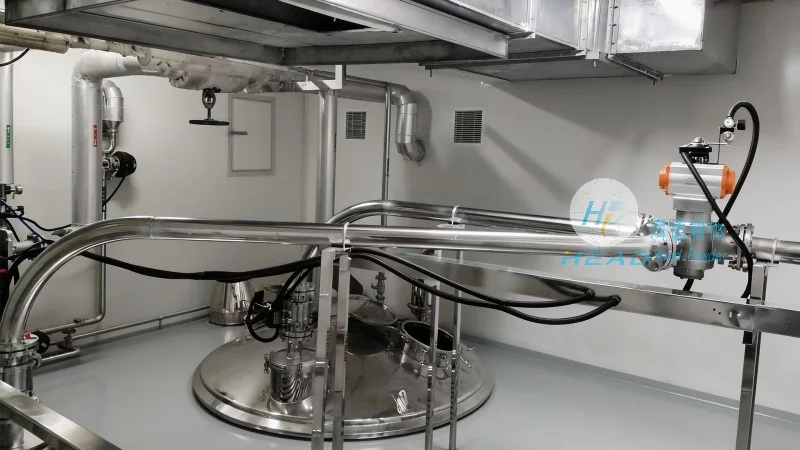
การบูรณาการระบบขนส่งผงหินปูนด้วยเครื่องกลกับกระบวนการอุตสาหกรรมที่มีอยู่เป็นอีกหนึ่งปัจจัยสำคัญ ระบบต้องสามารถทำงานร่วมกับอุปกรณ์อื่นๆ เช่น ถังเก็บวัสดุ หน่วยแปรรูป และระบบเก็บฝุ่น การบูรณาการที่เหมาะสมช่วยให้การทำงานราบรื่นและไม่มีการขัดขวางต่อสายการผลิตโดยรวม นอกจากนี้ การบำรุงรักษาอย่างสม่ำเสมอเป็นสิ่งจำเป็นเพื่อป้องกันการหยุดชะงักของระบบและรักษาความน่าเชื่อถือในระยะยาว นี่รวมถึงการตรวจสอบส่วนประกอบที่มีการเสียหาย การทำความสะอาดตัวกรอง และการตรวจสอบการรั่วไหลหรือการอุดตัน ระบบที่ได้รับการบำรุงรักษาอย่างดีสามารถลดเวลาหยุดชะงักและค่าใช้จ่ายในการบำรุงรักษาได้อย่างมากตลอดช่วงการใช้งาน
สรุป
การออกแบบระบบขนส่งผงหินปูนด้วยเครื่องกลต้องพิจารณาคุณสมบัติของวัสดุ ความสามารถของระบบ การเลือกอุปกรณ์ พารามิเตอร์การดำเนินงาน และการบำรุงรักษาอย่างรอบคอบ ด้วยการพิจารณาปัจจัยเหล่านี้ หน่วยอุตสาหกรรมสามารถให้การขนส่งผงหินปูนอย่างมีประสิทธิภาพและน่าเชื่อถือ ทำให้ประสิทธิภาพการผลิตดีขึ้นและลดค่าใช้จ่ายในการดำเนินงาน ด้วยความเชี่ยวชาญของบริษัทเช่น Shandong HeadPowder Engineering Co., Ltd. ที่เชี่ยวชาญในระบบขนส่งด้วยเครื่องกล อุตสาหกรรมสามารถรับประกันว่ากระบวนการจัดการผงหินปูนของพวกเขาถูกปรับปรุงให้มีประสิทธิภาพและความทนทาน
【标题】
Design Considerations for Limestone Powder Pneumatic Conveying Systems
【正文】
Limestone powder is a vital material in numerous industrial sectors, including cement manufacturing, chemical processing, and construction material production. The efficient and reliable transportation of limestone powder from storage to processing units is essential for maintaining production efficiency and minimizing operational expenses. Pneumatic conveying systems provide a flexible and effective solution for handling limestone powder, but their design demands careful consideration of several key factors to ensure optimal performance and longevity.
Key Design Considerations for Limestone Powder Pneumatic Conveying
When designing a limestone powder pneumatic conveying system, several critical aspects must be addressed to achieve the best results. The first consideration is the material characteristics of limestone powder, such as its particle size distribution, moisture content, and flowability. These properties directly impact the system's design, including the type of conveying line (e.g., dilute-phase or dense-phase), the required air velocity, and the pressure drop across the system. For instance, fine limestone powders may require higher air velocities to prevent clogging, while coarser powders can be conveyed at lower velocities with less risk of blockage.
Another crucial factor is the system's capacity and throughput requirements. The design must accommodate the expected flow rate of limestone powder, ensuring the system can handle peak loads without excessive pressure drops or energy consumption. This involves selecting appropriate equipment, such as blowers, filters, and material handling components, that are capable of meeting the required flow rates while maintaining efficiency. The choice of blower type—whether positive displacement or centrifugal—also significantly influences system performance, as it affects the air pressure and volume available for conveying.
Equipment Selection and System Components
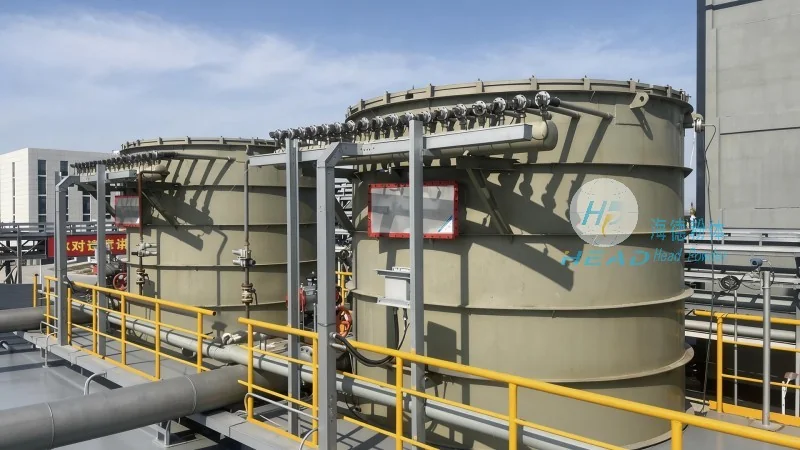
The selection of equipment components is a critical step in the design process. For limestone powder pneumatic conveying, components like feeders, conveying lines, and receivers are essential. Feeders, such as rotary valves or screw feeders, must be chosen to handle the material's flow characteristics and prevent material buildup or bridging. The conveying line, typically made of stainless steel or other corrosion-resistant materials, should be designed to withstand the abrasive nature of limestone powder and maintain a smooth interior to minimize friction and pressure losses. Receivers, where the limestone powder is deposited, must be equipped with proper dust collection systems to comply with environmental regulations and ensure safe operation.
Filter systems are another critical component, as they remove fine particles from the exhaust air to prevent dust emissions and protect downstream equipment. The choice of filter type—such as bag filters or cartridge filters—depends on the particle size and concentration of the limestone powder. Regular maintenance of the filter system is necessary to ensure optimal performance and prevent system downtime.
Operational Parameters and System Optimization
Operational parameters, including air velocity, pressure, and flow rate, are crucial for the efficient operation of a limestone powder pneumatic conveying system. Proper air velocity is essential to prevent clogging and ensure consistent material flow. Too low a velocity may cause blockages, while too high a velocity can increase energy consumption and wear on components. The pressure drop across the system is another key parameter, as it indicates the system's efficiency and the need for adjustments. Regular monitoring and adjustment of these parameters are necessary to maintain optimal performance and extend the system's lifespan.
System optimization involves balancing energy consumption with conveying efficiency. This may include selecting the right blower size, adjusting air velocity based on material conditions, and implementing control systems to regulate the flow. By optimizing these parameters, the system can achieve higher throughput while reducing energy costs and minimizing wear on components.
Considerations for System Integration and Maintenance
Integrating the limestone powder pneumatic conveying system with existing industrial processes is another important consideration. The system must be compatible with the surrounding equipment, such as storage silos, processing units, and dust collection systems. Proper integration ensures smooth operation and minimal disruptions to the overall production line. Additionally, regular maintenance is essential to prevent system failures and ensure long-term reliability. This includes inspecting components for wear and tear, cleaning filters, and checking for leaks or blockages. A well-maintained system can significantly reduce downtime and maintenance costs over its operational life.
Conclusion
Designing a limestone powder pneumatic conveying system requires careful consideration of material properties, system capacity, equipment selection, operational parameters, and maintenance. By addressing these factors, industrial facilities can achieve efficient and reliable transportation of limestone powder, leading to improved production efficiency and reduced operational costs. With the expertise of companies like Shandong HeadPowder Engineering Co., Ltd., specialized in pneumatic conveying systems, industries can ensure that their limestone powder handling processes are optimized for performance and longevity.