

เทคโนโลยีการขนส่งด้วยเส้นใยแก้วแบบปั๊มลม: หลักการ การประยุกต์ใช้ และแนวโน้มการพัฒนา
เทคโนโลยีการขนส่งด้วยเส้นใยแก้วแบบปั๊มลมเป็นวิธีการเฉพาะที่ใช้ลมเป็นสื่อในการขนส่งวัสดุเส้นใยแก้วผ่านระบบท่อ เทคโนโลยีนี้ได้รับความนิยมอย่างมากในภาคอุตสาหกรรมต่างๆ เนื่องจากสามารถจัดการวัสดุที่ละเอียดและมีความแข็งบางอย่างได้อย่างมีประสิทธิภาพขณะรักษาความสมบูรณ์ของวัสดุ แนวคิดหลักคือการสร้างกระแสลมที่ควบคุมได้เพื่อดึงดูดอนุภาคเส้นใยแก้ว ทำให้สามารถถ่ายทอดวัสดุจากแหล่งไปยังจุดหมายได้อย่างราบรื่น บริษัท HeadPowder ซึ่งเป็นบริษัทวิศวกรรมชั้นนำในจังหวัดเซี่ยงไฮ้ ประเทศจีน เชี่ยวชาญในการออกแบบและการนำระบบดังกล่าวมาใช้เพื่อตอบสนองความต้องการของอุตสาหกรรมต่างๆ
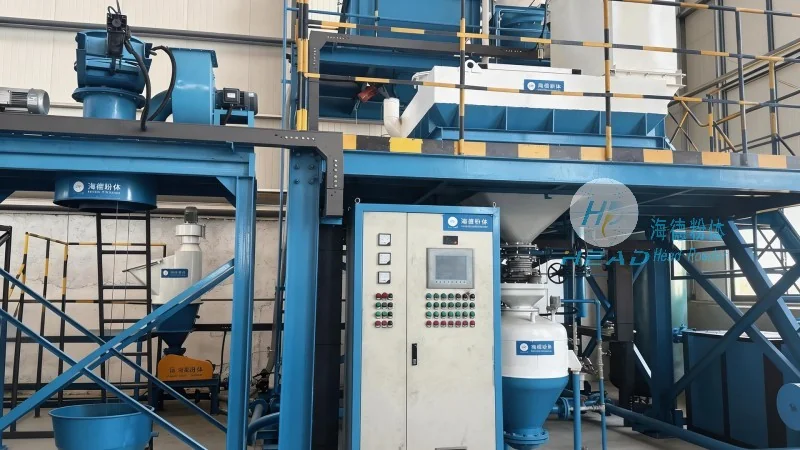
หลักการของการขนส่งด้วยเส้นใยแก้วแบบปั๊มลม
หลักการพื้นฐานของการขนส่งด้วยเส้นใยแก้วแบบปั๊มลมเกี่ยวข้องกับการมีปฏิสัมพันธ์ระหว่างลมที่ขนส่งกับอนุภาคเส้นใยแก้ว ในระบบทั่วไป เครื่องสูบหรือเครื่องเป่าที่สร้างกระแสลมความเร็วสูงภายในท่อ เมื่อลมไหล จะดึงดูดอนุภาคเส้นใยแก้ว ทำให้เกิดกระแสที่มีความหนาแน่นหรือกระแสที่มีความบางตามการออกแบบระบบและเงื่อนไขการทำงาน พารามิเตอร์สำคัญเช่น ความเร็วของลม ความดัน ขนาดอนุภาค และปริมาณความชื้นของเส้นใยแก้วมีความสำคัญในการกำหนดประสิทธิภาพการขนส่ง ระบบโดยทั่วไปประกอบด้วยถังเก็บวัสดุ ท่อขนส่ง ตัวรับสำหรับการวางวัสดุ และหน่วยควบคุมที่ควบคุมกระแสลมและการป้อนวัสดุ การจัดวางนี้ช่วยให้การขนส่งเส้นใยแก้วมีประสิทธิภาพและน่าเชื่อถือ ขณะเดียวกันก็ป้องกันปัญหาเช่นการอุดตันหรือการเสื่อมสภาพ เทคโนโลยีนี้ใช้หลักการของกลไกของของเหลวและกลศาสตร์อนุภาคเพื่อให้การจัดการวัสดุมีประสิทธิภาพสูง สามารถใช้ได้ทั้งสำหรับวัสดุเส้นใยแก้วในปริมาณมากและละเอียด
การประยุกต์ใช้ของการขนส่งด้วยเส้นใยแก้วแบบปั๊มลม
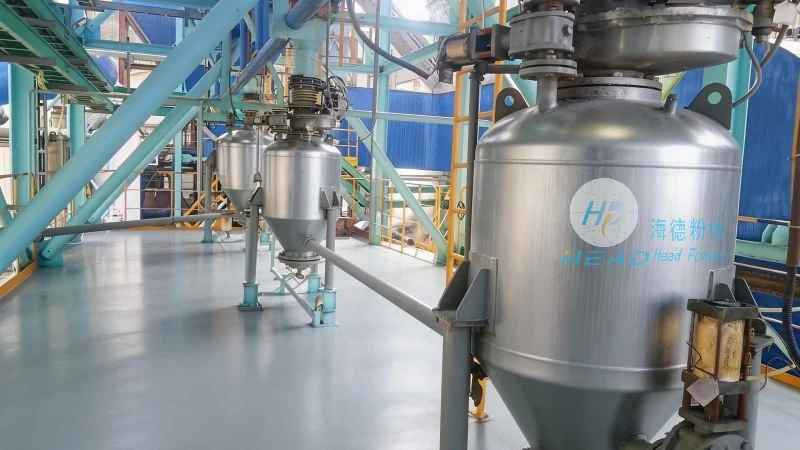
ระบบการขนส่งด้วยเส้นใยแก้วแบบปั๊มลมของ HeadPowder ถูกนำไปใช้ในหลายภาคอุตสาหกรรม โดยเฉพาะในการผลิตวัสดุผสม หนึ่งการประยุกต์หลักคือการผลิตพลาสติกที่มีเส้นใยแก้วเสริม (FRP) ซึ่งการส่งเส้นใยแก้วอย่างแม่นยำและสม่ำเสมอไปยังอุปกรณ์ผสมและขึ้นรูปเป็นสิ่งสำคัญเพื่อให้ได้คุณสมบัติของวัสดุที่สม่ำเสมอ เทคโนโลยีนี้ยังถูกใช้อย่างกว้างขวางในอุตสาหกรรมยานยนต์สำหรับการผลิตชิ้นส่วนที่มีน้ำหนักเบา เช่น ฝาหนังและชิ้นส่วนภายใน ซึ่งต้องการเส้นใยแก้วที่มีความแข็งแรงสูงเพื่อเพิ่มความมั่นคงของโครงสร้าง ในภาคการบิน ระบบการขนส่งด้วยเส้นใยแก้วแบบปั๊มลมช่วยในการผลิตชิ้นส่วนเครื่องบิน ทำให้เส้นใยแก้วละเอียดถูกส่งไปยังกระบวนการผลิตที่ทันสมัยโดยไม่เกิดความเสียหาย นอกจากนี้ เทคโนโลยีนี้ยังถูกนำไปใช้ในอุตสาหกรรมก่อสร้างเพื่อจัดการวัสดุเส้นใยแก้วที่ใช้ในฉนวนและวัสดุผสมโครงสร้าง ความหลากหลายของระบบทำให้สามารถจัดการประเภทเส้นใยแก้วต่างๆ ได้ รวมถึงเส้นใย E-glass, S-glass และเส้นใย aramid สำหรับความต้องการเฉพาะของอุตสาหกรรมต่างๆ ประสิทธิภาพและความน่าเชื่อถือของกระบวนการขนส่งช่วยเพิ่มอัตราการผลิตและลดเวลาที่ไม่สามารถผลิตได้ในสถานที่ผลิต
แนวโน้มการพัฒนาและอนาคต
เทคโนโลยีการขนส่งด้วยเส้นใยแก้วแบบปั๊มลมกำลังพัฒนาอย่างต่อเนื่องเพื่อตอบสนองความต้องการของอุตสาหกรรมสมัยใหม่ การพัฒนาในด้านวิทยาศาสตร์วัสดุและวิศวกรรมทำให้เกิดการพัฒนาระบบขนส่งที่มีประสิทธิภาพและทนทานมากขึ้น ตัวอย่างเช่น การบูรณาการเซ็นเซอร์อัจฉริยะและการควบคุมอัตโนมัติทำให้สามารถตรวจสอบกระบวนการขนส่งได้แบบเรียลไทม์ เพื่อปรับปรุงการใช้ลมและลดการใช้พลังงาน เครื่องสูบและเครื่องเป่าที่มีประสิทธิภาพสูงกำลังถูกนำมาใช้เพื่อเพิ่มประสิทธิภาพของระบบขณะลดต้นทุนการดำเนินงาน ในแง่ของความยั่งยืน เทคโนโลยีนี้กำลังถูกปรับปรุงเพื่อลดผลกระทบต่อสิ่งแวดล้อม เช่น การเพิ่มประสิทธิภาพการใช้พลังงานและลดการปล่อยก๊าซ ความต้องการที่เพิ่มขึ้นสำหรับวัสดุที่มีน้ำหนักเบาและมีความแข็งแรงสูงในภาคยานยนต์และการบินจะส่งผลให้ความต้องการในการจัดการวัสดุที่น่าเชื่อถือและมีประสิทธิภาพเพิ่มขึ้น ดังนั้น บริษัทเช่น Shandong HeadPowder Engineering Co., Ltd. จึงลงทุนในการวิจัยและพัฒนาเพื่อเพิ่มความสามารถของเทคโนโลยี โดยเน้นในด้านการเพิ่มประสิทธิภาพการจัดการวัสดุ ลดความจำเป็นในการบำรุงรักษา และปรับปรุงประสิทธิภาพด้านสิ่งแวดล้อม อนาคตของการขนส่งด้วยเส้นใยแก้วแบบปั๊มลมมีอนาคตที่สดใส ด้วยนวัตกรรมที่กำลังดำเนินอยู่ที่คาดว่าจะขยายการประยุกต์ใช้และเพิ่มผลผลิตทางอุตสาหกรรมโดยรวม
【标题】
Glass Fiber Pneumatic Conveying Technology: Principles, Applications, and Development Trends
【正文】
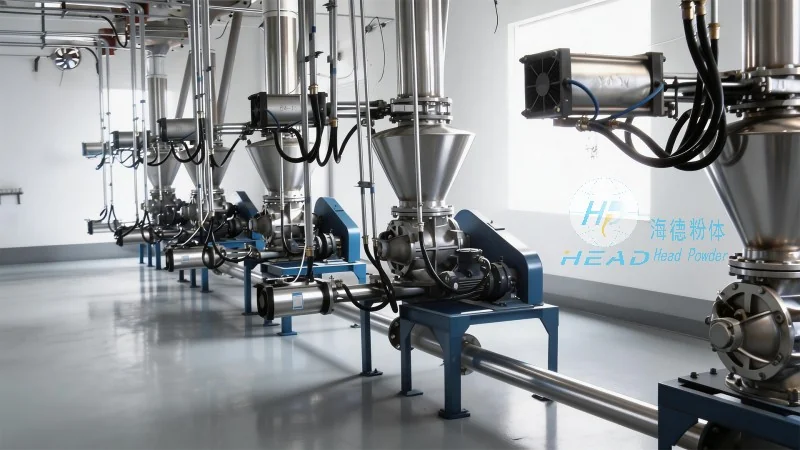
Glass fiber pneumatic conveying technology is a specialized method for transporting glass fiber materials through a pipeline system by utilizing air as the conveying medium. This technology has gained significant traction in various industrial sectors due to its ability to handle delicate and abrasive materials efficiently while maintaining material integrity. The core concept involves creating a controlled airflow that entrains glass fiber particles, enabling seamless material transfer from the source to the destination. HeadPowder, a prominent engineering firm based in Shandong, China, specializes in the design and implementation of such systems, catering to diverse industrial needs.
Principles of Glass Fiber Pneumatic Conveying
The fundamental principles of glass fiber pneumatic conveying revolve around the interaction between the conveying air and the glass fiber particles. In a typical system, a fan or blower generates a high-velocity airflow within the pipeline. As the air flows, it entrains the glass fiber particles, forming either a dense phase or dilute phase flow depending on the system design and operating conditions. Key parameters such as air velocity, pressure, particle size, and moisture content of the glass fibers are critical in determining the conveying performance. The system typically comprises a hopper for material storage, a conveying line, a receiver for material deposition, and a control unit that regulates air flow and material feed. This configuration ensures efficient and reliable transport of glass fibers while preventing issues like clogging or degradation. The technology leverages the principles of fluid dynamics and particle mechanics to achieve optimal material handling, making it suitable for both bulk and fine glass fiber applications.
Applications of Glass Fiber Pneumatic Conveying
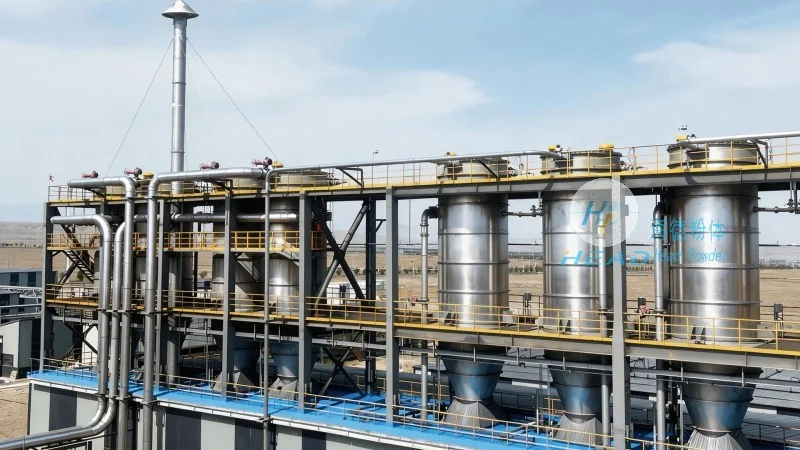
HeadPowder's glass fiber pneumatic conveying systems are deployed across multiple industrial applications, particularly in the manufacturing of composite materials. One primary application is in the production of glass fiber-reinforced plastics (FRPs), where precise and consistent delivery of glass fibers to mixing and molding equipment is essential for achieving uniform material properties. The technology is also widely used in the automotive industry for manufacturing lightweight components, such as body panels and interior parts, where high-strength glass fibers are required to enhance structural integrity. In the aerospace sector, glass fiber pneumatic conveying supports the production of aircraft components, ensuring that fine glass fibers are delivered to advanced manufacturing processes without damage. Additionally, the technology is applied in the construction industry for handling glass fiber materials used in building insulation and structural composites. The versatility of the system allows it to handle various glass fiber types, including E-glass, S-glass, and aramid fibers, catering to the specific requirements of different industries. The efficiency and reliability of the conveying process contribute to improved production throughput and reduced downtime in manufacturing facilities.
Development Trends and Future Prospects
The glass fiber pneumatic conveying technology is continuously evolving to meet the evolving demands of modern industry. Advances in materials science and engineering have led to the development of more efficient and durable conveying systems. For instance, the integration of smart sensors and automation controls enables real-time monitoring of the conveying process, optimizing air usage and reducing energy consumption. High-efficiency fans and blowers are being incorporated to enhance system performance while minimizing operational costs. In terms of sustainability, the technology is being optimized to reduce environmental impact, such as by improving energy efficiency and reducing emissions. The increasing demand for lightweight and high-strength materials in sectors like automotive and aerospace will further drive the need for reliable and efficient material handling solutions. As a result, companies like Shandong HeadPowder Engineering Co., Ltd. are investing in research and development to enhance the technology's capabilities, focusing on areas like improved material handling efficiency, reduced maintenance requirements, and enhanced environmental performance. The future of glass fiber pneumatic conveying is promising, with ongoing innovations expected to expand its applications and improve overall industrial productivity.