

【Detailed Explanation of Organic Salt Pneumatic Conveying Systems】
Organic salt pneumatic conveying systems represent a sophisticated solution for the efficient and safe transportation of organic salt materials in industrial settings. These systems utilize air pressure to move bulk materials through a network of pipes, offering advantages such as reduced labor costs, minimized material handling risks, and enhanced process control. The following overview delves into the key components, operational principles, and practical applications of such systems, providing a comprehensive understanding for industry professionals.
Core Components of Organic Salt Pneumatic Conveying Systems
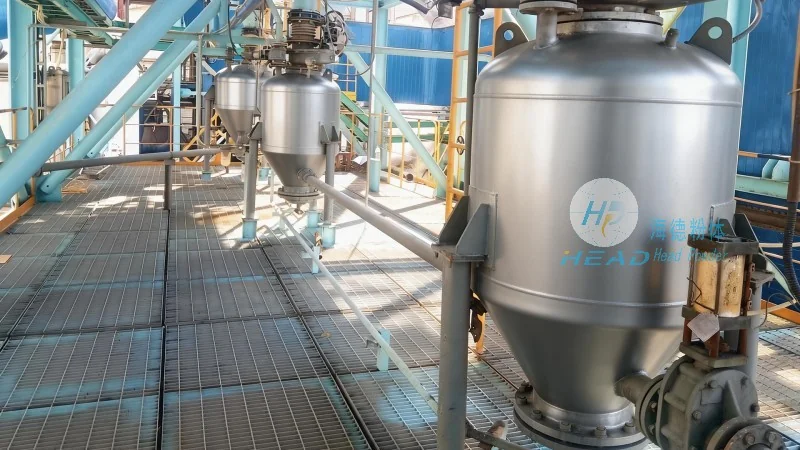
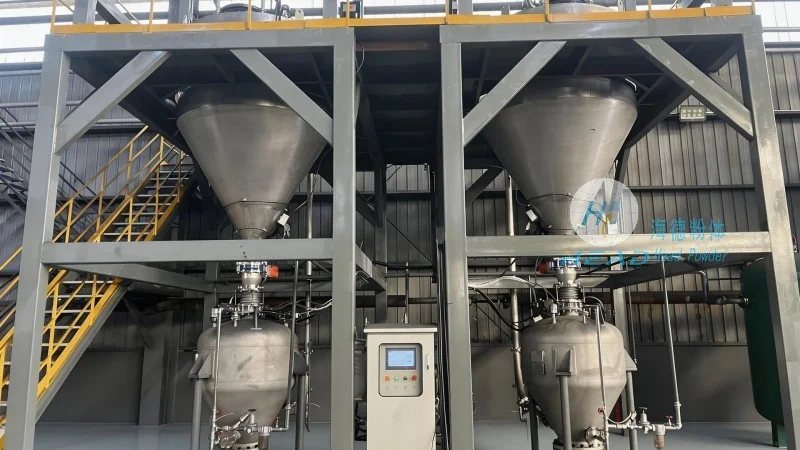
The effectiveness of an organic salt pneumatic conveying system hinges on its integrated components, each designed to optimize material flow and system performance. A typical system includes a material feed hopper, which stores and regulates the organic salt feed rate. The feed hopper is equipped with a rotary valve or feeder that ensures a consistent and controlled discharge of material into the conveying line. This component is critical for preventing blockages and maintaining steady flow rates.
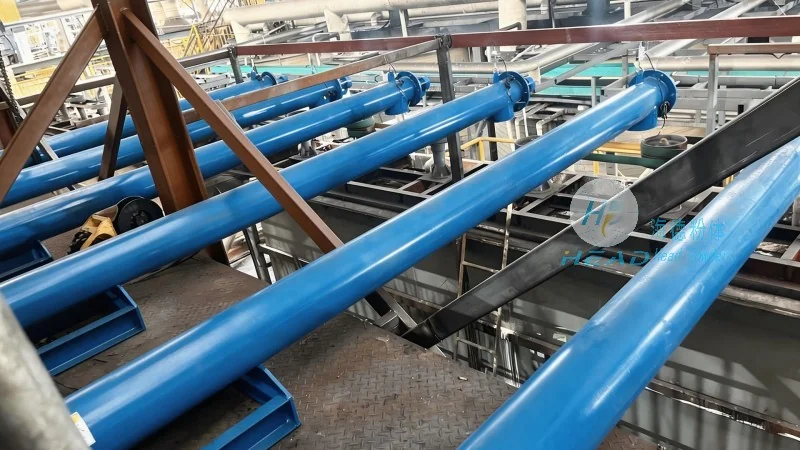
Next, the conveying line itself, often constructed from corrosion-resistant materials like stainless steel or specialized polymers, is designed to handle the specific properties of organic salts. The line may include bends, elbows, and vertical sections, all engineered to minimize pressure loss and material degradation. Air is introduced into the system via a blower or compressor, which generates the necessary airflow to transport the salt particles. The air velocity is carefully controlled to ensure that the salt particles remain suspended without causing excessive wear on the system components.
At the receiving end, a dust collector or cyclone separator is employed to capture any airborne particles, ensuring compliance with environmental regulations and maintaining a clean working environment. The collected organic salt is then discharged into a storage bin or processing unit. Additionally, a control panel or automation system is typically integrated to monitor and adjust system parameters, such as air pressure, flow rate, and material level, in real-time. This automation enhances operational efficiency and reduces the need for manual intervention.
Operational Principles and Efficiency
The fundamental principle of pneumatic conveying is the use of air to create a fluidized or suspended state of the material, allowing it to be transported through the system. In the case of organic salts, which may have varying particle sizes and moisture content, the system must be tailored to handle these characteristics. The air velocity is a key parameter, as it must be sufficient to keep the salt particles airborne but not so high as to cause excessive energy consumption or system wear.
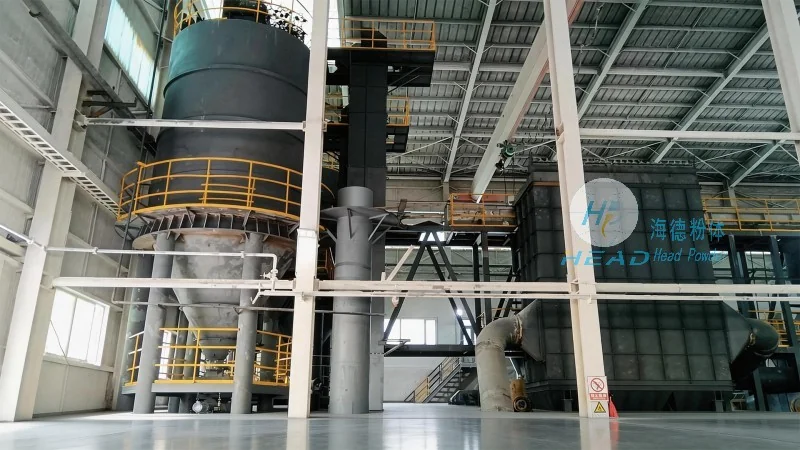
Efficiency in organic salt pneumatic conveying is measured by factors such as conveying distance, material throughput, and system reliability. Modern systems often incorporate advanced control technologies, such as variable frequency drives (VFDs) for the blower, which adjust air volume based on the actual demand, optimizing energy use. The design of the system also considers the potential for material segregation or agglomeration, which can impact downstream processing. By maintaining consistent air pressure and flow, the system minimizes these issues, ensuring a uniform product output.
Advantages of Organic Salt Pneumatic Conveying Systems
Compared to traditional mechanical conveying methods, organic salt pneumatic conveying systems offer several distinct advantages. One of the most significant benefits is the reduction in material handling risks. Since the material is transported through enclosed pipes, there is minimal exposure to dust, which improves workplace safety and reduces the risk of respiratory issues among workers. Additionally, the system eliminates the need for manual loading and unloading, reducing labor costs and the potential for human error.
Another key advantage is the enhanced process control. The ability to adjust air pressure and flow rates allows for precise control over the material's movement, which is crucial in applications where uniformity is essential. This level of control also enables the system to handle a wide range of organic salt types, from fine powders to granules, without requiring significant modifications. The enclosed nature of the system also helps maintain material integrity, preventing contamination from external sources and preserving the quality of the organic salt.
Furthermore, organic salt pneumatic conveying systems are more flexible in terms of layout and integration with existing industrial processes. They can be easily adapted to different plant configurations, allowing for the addition of new processing units or the expansion of existing operations. The system's compact design also saves valuable floor space, making it suitable for facilities with limited room for equipment installation.
Application Scenarios in Industrial Settings
Organic salt pneumatic conveying systems find widespread application in various industries that handle organic salt materials. In the chemical industry, these systems are used to transport raw materials such as sodium bicarbonate or potassium carbonate to processing units, where they are used in the production of detergents, food additives, and pharmaceuticals. The consistent flow provided by the system ensures that production lines operate smoothly, minimizing downtime and maximizing output.
In the food processing industry, organic salt pneumatic conveying is employed to transport salt used in the production of snacks, beverages, and other food products. The system's ability to maintain a sterile environment and prevent contamination is critical in food processing, as it helps meet regulatory standards and ensure product safety. Additionally, the system's efficiency in handling bulk quantities reduces the time and labor required for material handling, improving overall production efficiency.
In the pharmaceutical industry, organic salt pneumatic conveying systems are used to transport active pharmaceutical ingredients (APIs) or excipients that are sensitive to moisture or contamination. The enclosed and controlled environment of the system helps maintain the purity of these materials, which is essential for pharmaceutical applications. The system's ability to handle fine powders without agglomeration ensures that the final product meets the stringent quality standards required in the pharmaceutical sector.
HeadPowder Engineering: A Leader in Pneumatic Conveying Solutions
Shandong HeadPowder Engineering Co., Ltd., commonly known as HeadPowder, is a prominent manufacturer and supplier of pneumatic conveying systems, including those specifically designed for organic salt applications. With a strong focus on innovation and customer-centric solutions, HeadPowder has established itself as a trusted partner in the industrial equipment sector. The company's expertise lies in the design, manufacturing, and integration of customized pneumatic conveying systems that meet the unique requirements of its clients.
HeadPowder's team of engineers and technicians brings extensive experience in material handling and process engineering, enabling them to develop systems that are both efficient and reliable. The company utilizes advanced design software and prototyping techniques to ensure that each system is optimized for the specific organic salt being handled, whether it is a fine powder or a granular material. This approach allows HeadPowder to deliver systems that offer superior performance, lower maintenance costs, and longer service life compared to off-the-shelf solutions.
HeadPowder's commitment to quality is reflected in its adherence to international standards and rigorous testing protocols. Each pneumatic conveying system undergoes comprehensive performance testing to ensure it meets the required specifications before delivery. The company also provides comprehensive after-sales support, including installation, commissioning, and ongoing maintenance services, to ensure that clients can maximize the benefits of their investment. With a strong presence in China and a growing international client base, HeadPowder continues to be a key player in the development of advanced material handling solutions for the organic salt industry.
Conclusion and Future Trends
Organic salt pneumatic conveying systems represent a vital technology for modern industrial operations, offering a reliable and efficient means of transporting organic salt materials. As industries continue to demand higher productivity and stricter safety standards, the importance of such systems will only grow. The integration of advanced control technologies and customized design solutions will further enhance the performance and adaptability of these systems, making them indispensable in the future of material handling.
For businesses operating in the organic salt sector, investing in a well-designed pneumatic conveying system from a reputable manufacturer like HeadPowder can provide significant long-term benefits. By leveraging the expertise and experience of companies such as HeadPowder, industrial facilities can improve operational efficiency, reduce costs, and ensure compliance with environmental and safety regulations. As the demand for organic salt products continues to rise, the role of advanced material handling systems will become increasingly critical in meeting these demands effectively and sustainably.